The Unforgiving Nature of Infrastructure as Code
The modern web runs on Infrastructure as Code (IaC). DevOps engineers and cloud architects rely heavily on tools like Kubernetes, Docker Compose, and Terraform to automate complex server deployments. At the heart of this ecosystem is YAML, a data serialization language chosen for its human readability. However, any engineer who has worked with Kubernetes knows that YAML is notoriously unforgiving. Unlike JSON, which relies on strict structural brackets, YAML relies entirely on whitespace and indentation. A single accidental tab character, a missed space after a colon, or a misaligned nested list will completely crash a massive continuous integration pipeline.
When a deployment fails due to a parsing error, engineers face a frustrating challenge: finding the invisible mistake within a 2,000-line configuration file. The fastest instinct is to copy the entire file and paste it into a free public 'YAML Validator' website. This is a catastrophic security vulnerability. Kubernetes manifests define the exact blueprint of your company's backend. They contain internal routing logic, database connection strings, load balancer rules, and exposed port mappings. Uploading this highly proprietary infrastructure map to an unknown third-party server gives malicious actors a direct schematic of your network vulnerabilities.
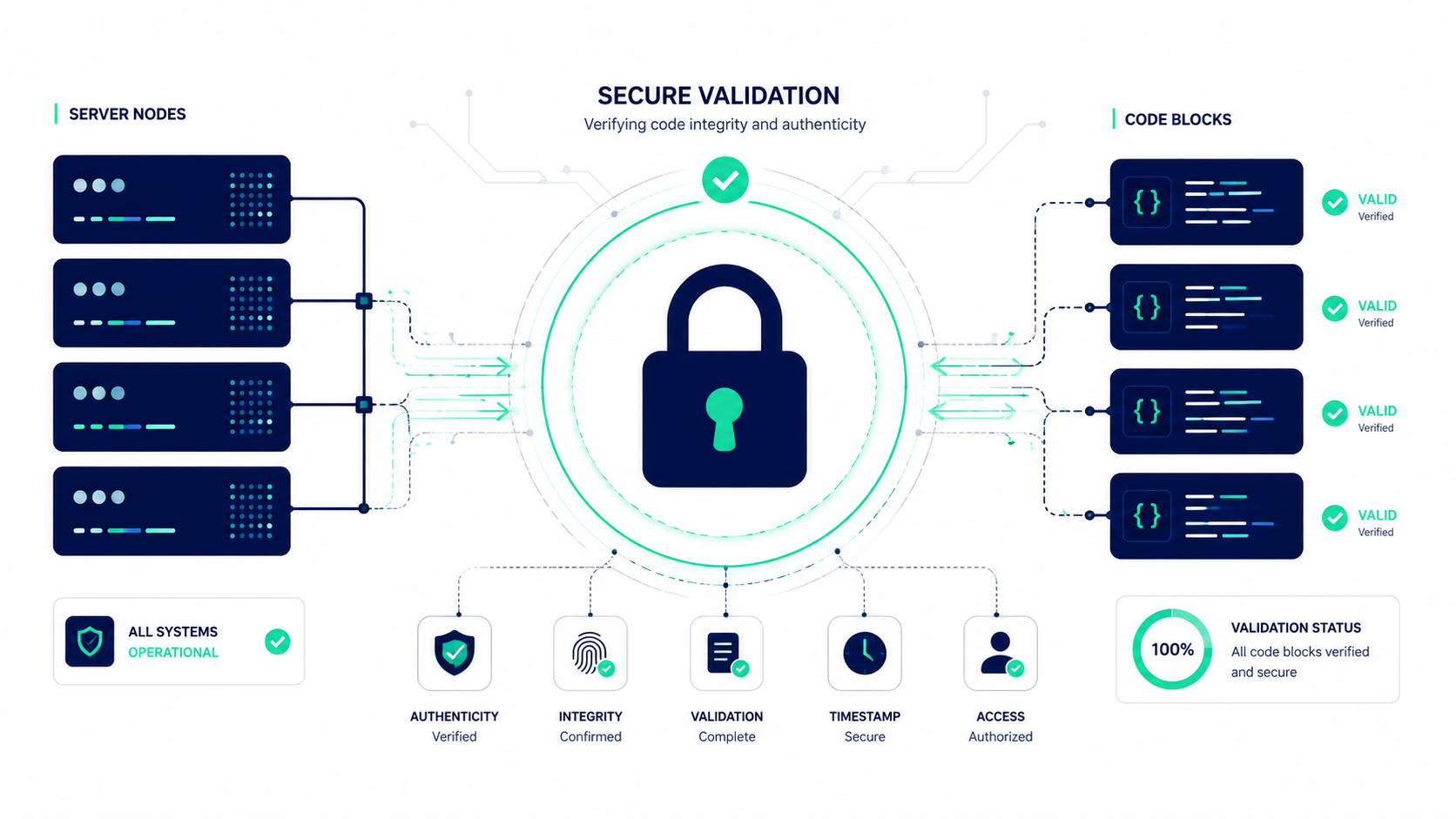
To maintain SOC2 compliance and protect your cloud architecture, DevOps teams must adopt zero-trust, local development tools. The FlowFix JSON/YAML/XML Formatter and Validator provides an enterprise-grade solution. By utilizing this completely client-side utility, engineers can instantly format massive configuration files, algorithmically pinpoint invisible syntax errors, and even translate complex YAML into structured JSON for deeper inspection - all without a single byte of infrastructure data ever leaving their local machine.
Phase 1: Instant Formatting and Invisible Error Detection
The debugging workflow begins the moment your CI/CD pipeline throws a generic parsing error. Instead of scrolling through thousands of lines of text in a standard IDE trying to spot a misaligned indentation, copy the raw, broken YAML configuration and paste it directly into the FlowFix JSON/YAML/XML Formatter & Validator tool. Because this tool runs locally, loading a massive file is instantaneous.
The moment you paste the code, the local validation engine sweeps the text. If there is a structural flaw - such as an illegal tab character used instead of spaces, or a mapping value that is incorrectly indented - the tool immediately flags the exact line number and character position of the failure. This algorithmic precision transforms a frantic, hour-long hunt for a missing space into a five-second fix. Once the error is corrected, hitting the format button instantly realigns the entire document into a perfect, mathematically precise structure, ensuring that your Kubernetes cluster will ingest the manifest flawlessly.
Phase 2: Architectural Translation and Nested Inspection
While YAML is easier to write, it can be incredibly difficult to read when dealing with deeply nested logic, such as a complex Kubernetes Deployment containing multiple containers, volume mounts, and environment variables. The lack of brackets makes it hard to determine which list a specific configuration block belongs to.
To gain a clearer understanding of your infrastructure tree, you can utilize the tool's seamless format conversion. With one click, the system translates your massive YAML file into perfectly structured JSON. By converting to JSON, the nested objects are wrapped in clear, distinct brackets, allowing you to visually trace the hierarchy of your server configurations without ambiguity. You can collapse and expand these JSON nodes to inspect specific microservices. Once you have verified the structural logic is sound, a second click instantly converts the pristine JSON back into valid, deployment-ready YAML. You have successfully troubleshot and optimized your cloud architecture in a completely isolated, secure environment.